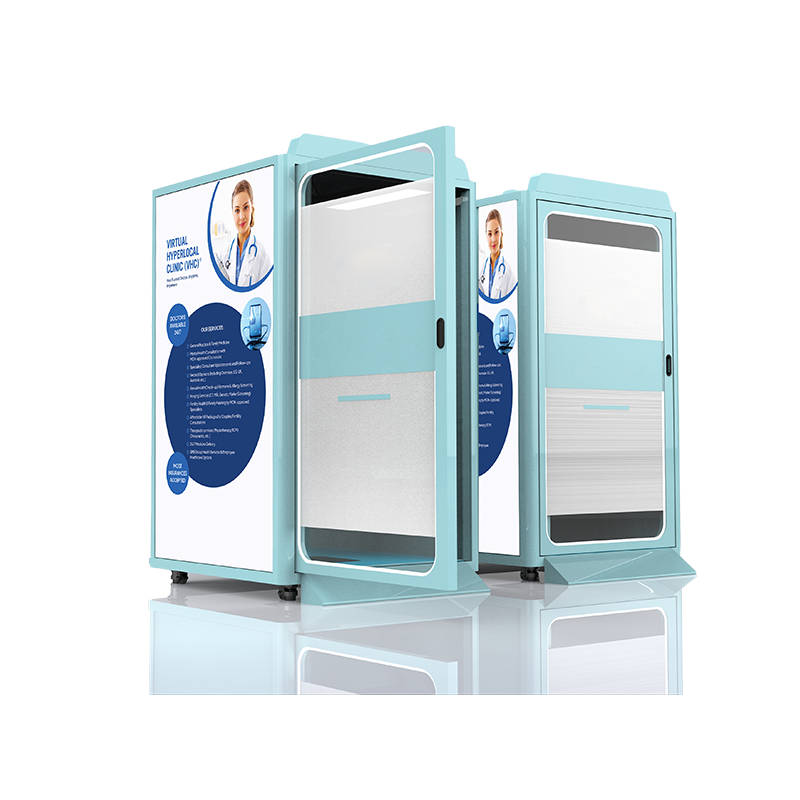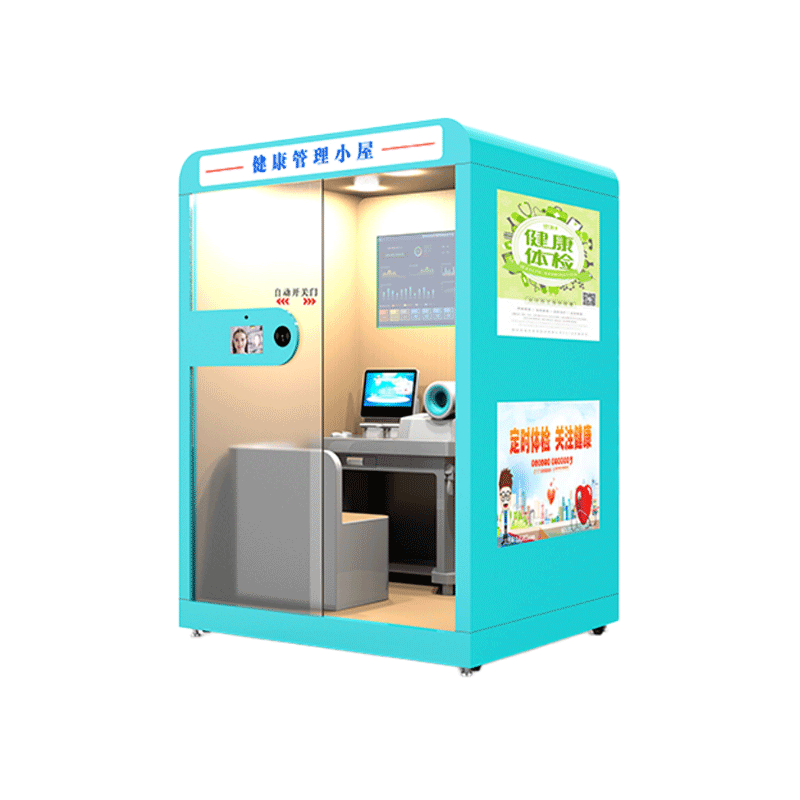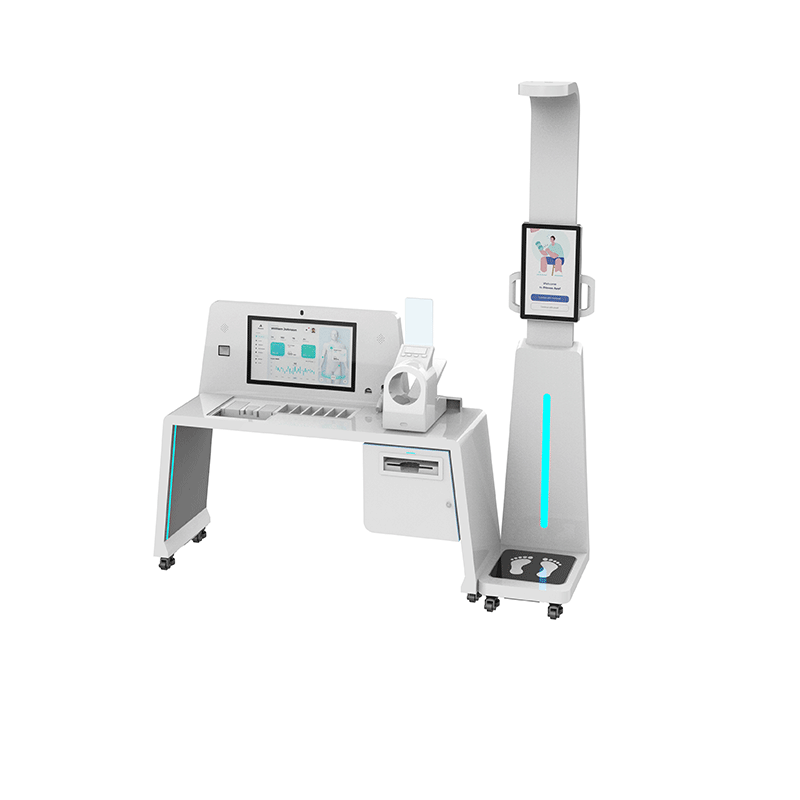
When users need a quick health check, waiting for professional assistance can take time and make routine screening less convenient. A health examination kiosk gives you a practical way to perform basic physical measurements independently, with clear on-screen instructions and integrated testing functions. For hospitals, clinics, pharmacies, community health centers, workplaces, and other public facilities, this type of equipment can support more efficient self-service health screening without requiring a professional operator for every basic check.
Shenzhen Xingtongda Information Technology Co., Ltd. (XTD) develops self-service terminals and intelligent equipment with ODM/OEM capabilities. Its health self-service physical examination machine combines body composition analysis, blood pressure monitoring, an industrial control motherboard, WiFi, and 4G connectivity in one solution.
What Is a Health Examination Kiosk?
A health examination kiosk is a self-service terminal designed to help users complete basic health measurements through an integrated interface. Instead of moving between separate devices, you can use one machine to collect multiple physical indicators and receive measurement results through a guided process.
XTD’s health examination machine is designed for environments where convenient and repeatable health screening is useful, including:
- Hospitals and outpatient facilities
- Clinics and community health centers
- Pharmacies and wellness centers
- Corporate workplaces
- Gyms and fitness facilities
- Senior care and public service locations
- Health screening centers
The machine uses an Android 11.0 system, 8GB memory, 64GB storage, WiFi, and a Quectel full-Netcom 4G communication module. This hardware configuration provides a flexible platform for self-service health applications and future software customization.
Health Examination Kiosk Features and Testing Functions
The main advantage of a self-service health examination kiosk is its ability to combine several routine measurements in one user flow.
Body Composition Testing
The integrated body composition testing function can provide multiple indicators, including:
- Body fat percentage
- Body water percentage
- Skeletal muscle percentage
- Visceral fat
- Basal metabolism
- Bone mineral content
- Protein
- Inorganic salt
- Muscle mass
- Fat weight
- Fat-free body mass
- Waist-to-hip ratio
- Total water content
- Body age
- Body shape evaluation
- Standard and target weight
- Weight and fat control indicators
- Comprehensive score
These results can help users understand basic body composition and provide reference information for health management, fitness programs, or routine screening.
Medical Blood Pressure Monitoring
The machine also integrates a medical blood pressure monitor using the oscillometric measurement method.
Its stated specifications include:
| Parameter | Specification |
|---|---|
| Blood pressure range | 30–280 mmHg |
| Pulse range | 40–195 beats/min |
| Blood pressure accuracy | ±3 mmHg |
| Pulse accuracy | ±5% |
| Pressure units | mmHg / KPa |
| Communication | USB |
| Voice function | Supported |
Because the device provides clear operating instructions and voice broadcasting, you can complete the measurement process with limited assistance.
How to Use a Self-Service Health Examination Kiosk
A simple workflow helps reduce user confusion and makes the equipment suitable for public-facing environments.
- Start the health check: Follow the instructions displayed on the touchscreen.
- Complete body composition measurement: Use the designated measurement area according to the on-screen guidance.
- Measure blood pressure: Position yourself correctly and allow the oscillometric monitor to complete the measurement.
- Review the results: Check body composition and blood pressure information displayed by the system.
- Use the results appropriately: Treat routine measurements as health reference data and seek professional medical advice when necessary.
This workflow allows facilities to provide basic self-service screening while reducing the need for staff to operate every individual measurement.
Health Examination Kiosk vs. Traditional Manual Screening
Choosing between a self-service machine and a conventional manual process depends on your facility, staffing model, and expected user volume.
| Factor | Health Examination Kiosk | Traditional Manual Screening |
|---|---|---|
| User operation | Self-service | Usually staff-assisted |
| Basic measurements | Multiple functions integrated | Often separate devices |
| Operating guidance | Screen and voice instructions | Staff explanation |
| Connectivity | WiFi and 4G available | Depends on equipment |
| Deployment | Public or facility-based locations | Mainly clinical environments |
| Customization | ODM/OEM options | Depends on equipment supplier |
| Repeated routine checks | Convenient | More staff involvement |
For facilities handling frequent basic health checks, a self service health examination kiosk can provide a more standardized workflow and help staff focus on tasks that require professional judgment.
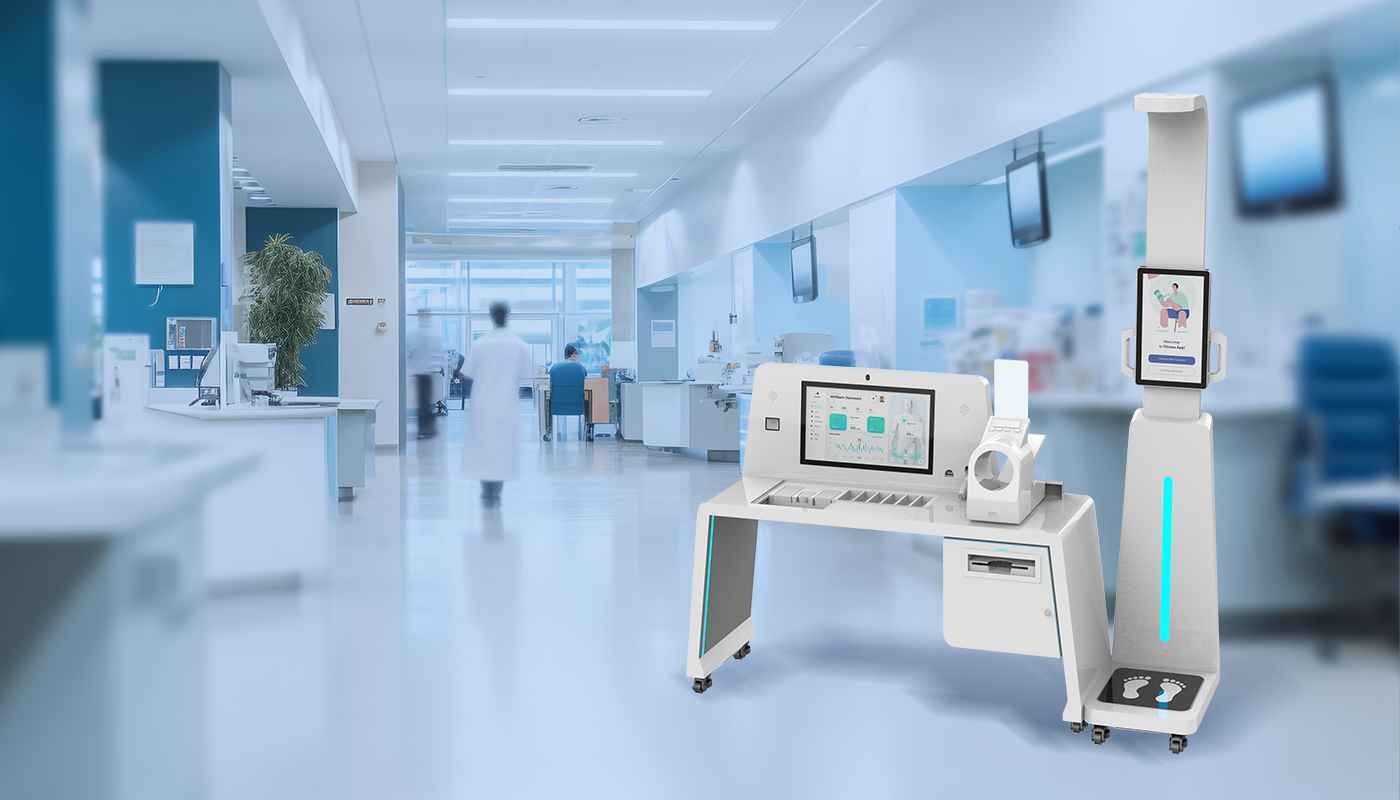
Why Choose XTD for a Health Examination Kiosk?
XTD is a Shenzhen-based manufacturer and service provider specializing in self-service terminals and intelligent equipment. The company provides product design, manufacturing, quality inspection, and ODM/OEM services.
Its production capabilities include professional sheet-metal processing equipment such as Bystronic 4000KW and 3000KW laser cutting equipment, CNC bending machines, riveting machines, welding equipment, production lines, testing lines, and aging lines.
XTD also maintains dedicated departments for:
- R&D and new product development
- Production and delivery management
- Technical support and quality inspection
- Sales and customer communication
- After-sales service
For customized projects, XTD states typical lead times of 25–35 days for customized prototypes and around 30 days for ODM/OEM mass orders. Standard products generally require 7–15 days, depending on the project.
The company also states that it conducts pre-production prototyping and final inspection before shipment. Its website provides company certificates and factory information for customer evaluation.
FAQ
1. What can a health examination kiosk measure?
XTD’s machine supports body composition testing and blood pressure measurement. Body composition indicators include body fat, body water, skeletal muscle, visceral fat, basal metabolism, bone mineral content, and other listed parameters.
2. Can XTD customize a health examination kiosk?
Yes. XTD provides ODM/OEM services and can develop self-service terminal solutions based on project requirements. Hardware configuration, software functions, appearance, and application requirements can be discussed during the customization process.
3. Where can you deploy a self-service health examination machine?
You can consider hospitals, clinics, pharmacies, health centers, workplaces, gyms, wellness facilities, and other locations where users need convenient access to routine health measurements.
Conclusion
A health examination kiosk can help you provide convenient self-service health screening by combining body composition testing and blood pressure monitoring in one intelligent terminal. With Android 11.0, 8GB memory, 64GB storage, WiFi and Quectel 4G connectivity, XTD’s health self-service physical examination machine provides a configurable platform for different deployment environments.
If you are planning a healthcare, wellness, workplace, or public-service project, XTD can support your requirements through ODM/OEM manufacturing, prototype development, production, testing, and after-sales service.
CTA
Contact XTD to discuss your required measurements, kiosk configuration, software functions, enclosure design, quantity, and deployment environment. Request the product specifications and an ODM/OEM quotation to evaluate the right health examination kiosk solution for your project.