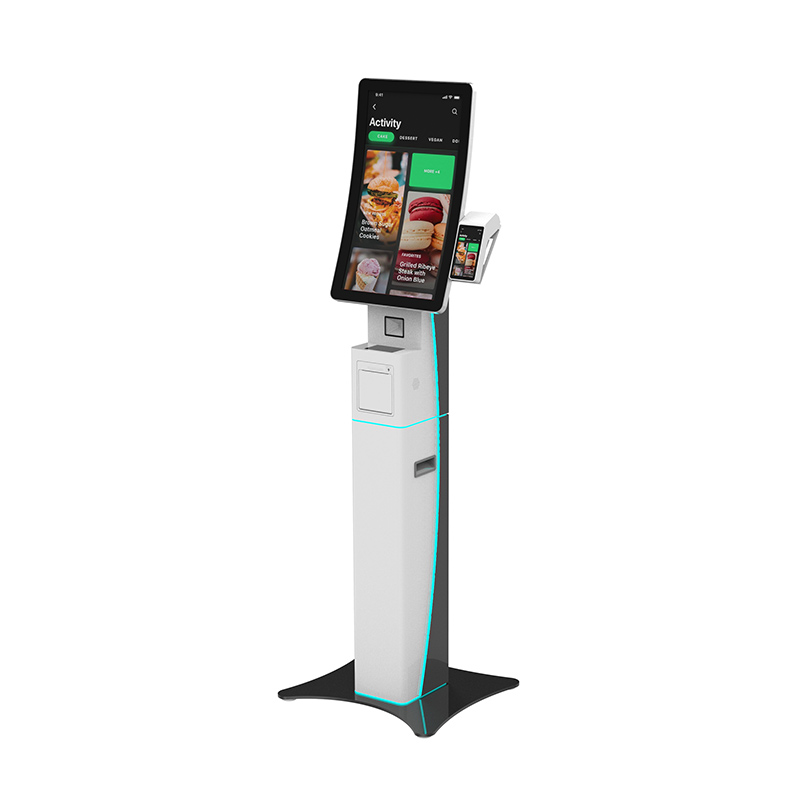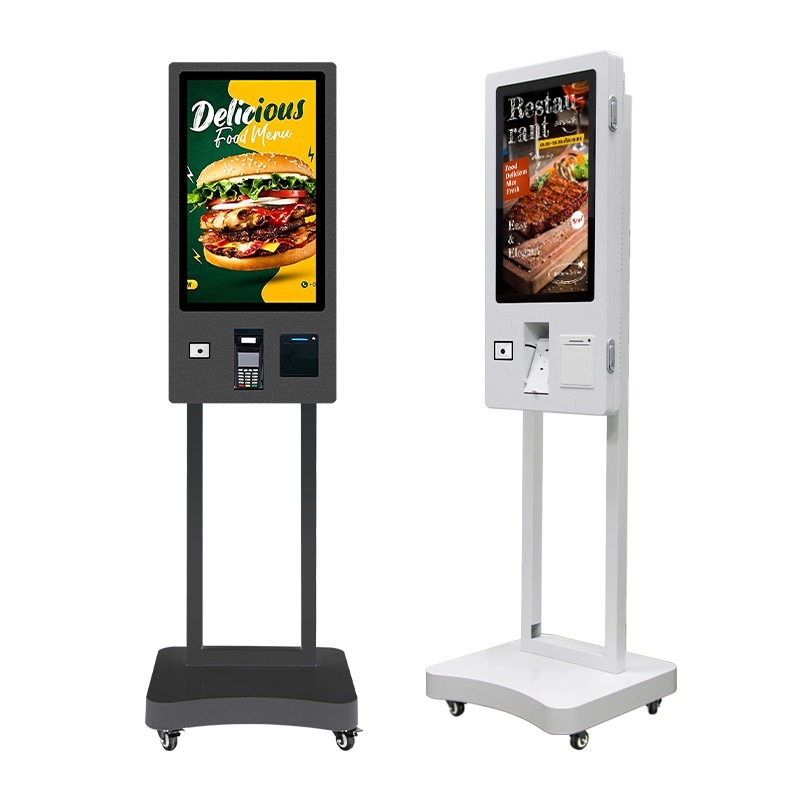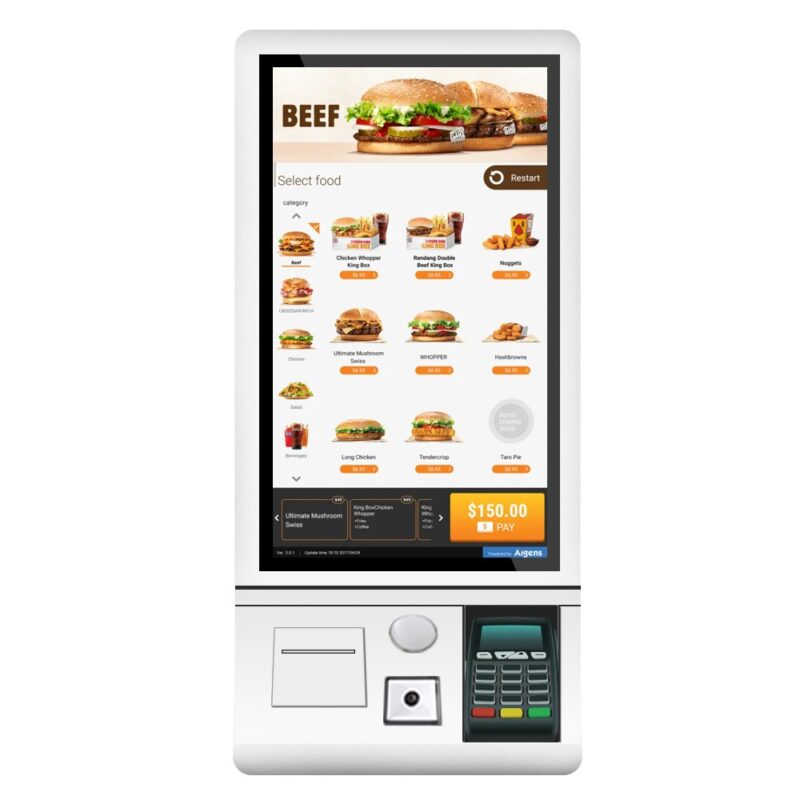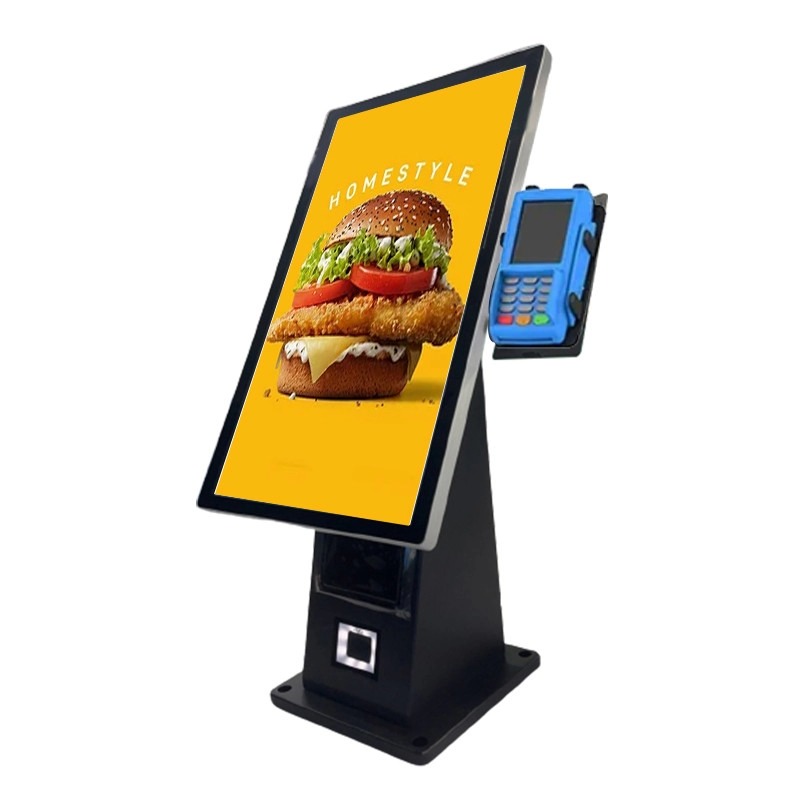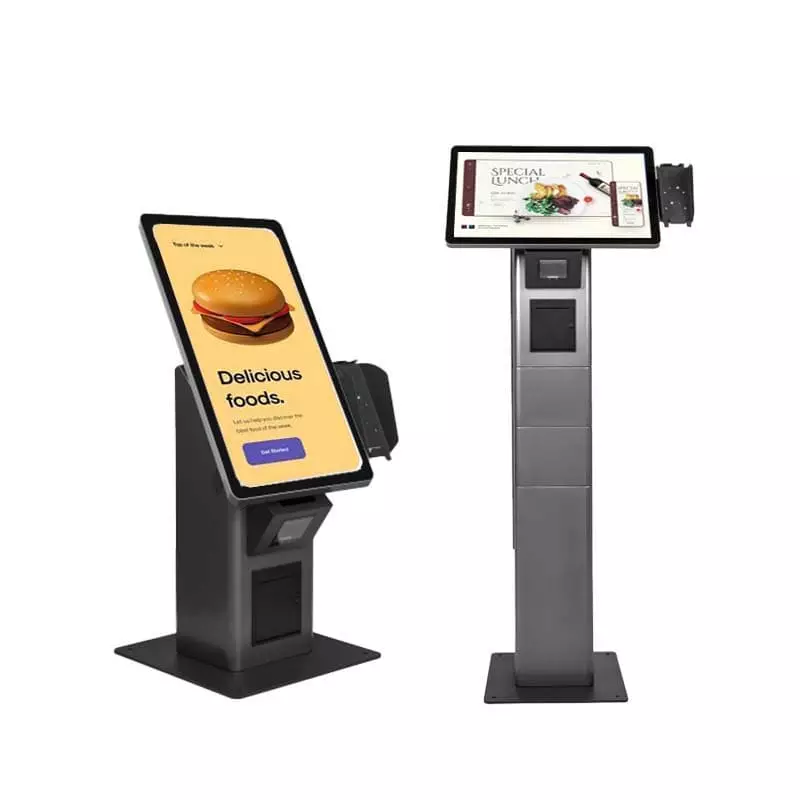
Choosing a customized self ordering kiosk machine involves more than selecting a touchscreen. You need a reliable ordering terminal that supports your payment workflow, connects with your existing POS software, and accommodates the peripherals your customers use. For restaurants, retail stores, and vending operators, the wrong hardware configuration can create compatibility issues, slow transactions, and increase maintenance costs.
Shenzhen Xingtongda Information Technology Co., Ltd. develops self-service terminals and intelligent equipment with OEM and ODM capabilities. Its desktop and vending kiosk platform combines touchscreen interaction with optional printing, scanning, and payment peripherals. By evaluating the hardware specifications, installation environment, and customization requirements before ordering, you can select a terminal that better fits your business operations.
What Is a Customized Self Ordering Kiosk Machine?
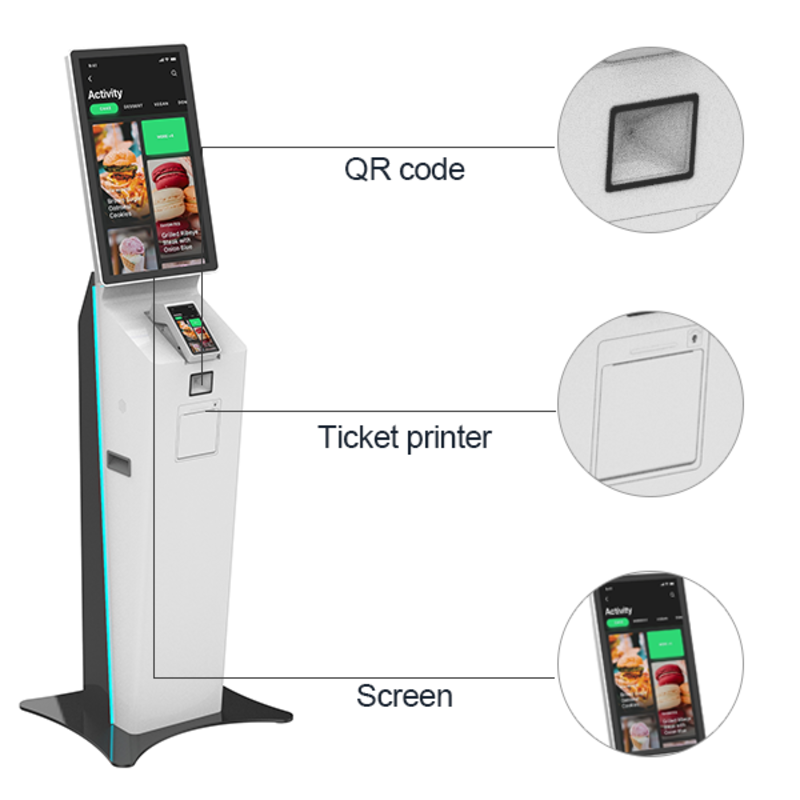
A customized self ordering kiosk machine is a self-service terminal configured for specific ordering, payment, and customer service requirements. Depending on your project, it can integrate a touchscreen, barcode scanner, receipt printer, cash drawer, or other compatible peripherals.
Unlike a standard desktop POS terminal, a self-ordering kiosk gives customers direct access to ordering interfaces without requiring staff to enter every transaction. This makes it useful for quick-service restaurants, cafes, takeaway counters, and selected retail environments.
Common applications include:
- Restaurants and fast-food chains: Customers browse menus, submit orders, and complete supported payment steps.
- Cafes and bakeries: Customers place takeaway orders through a touchscreen interface.
- Retail stores: Shoppers access product information or use compatible self-service checkout software.
- Vending systems: Operators integrate ordering or payment interfaces into compatible vending equipment.
- Ticketing counters: Businesses deploy suitable scanning and printing peripherals for ticket-related workflows.
Key Specifications of the Touchscreen Ordering Kiosk
The product combines computing hardware, a touch display, and configurable peripheral interfaces. These specifications help you evaluate its suitability for your application.
| Parameter | Supplied Specification |
|---|---|
| Display | 21.5-inch TFT LED |
| Faaotiraa | 1920 × 1080 Full HD |
| Touch technology | 10-point capacitive |
| Viewing angle | 170° horizontal / 160° vertical |
| Processor | Intel Core i3, 3rd generation |
| Te haamana'oraa | 4GB DDR3 |
| Haaputuraa | 128GB SSD |
| Operating system | Windows 10 |
| Maximum power consumption | 35W |
| Power input | AC 110–240V, 50–60Hz |
| Optional peripherals | Receipt printer, barcode scanner, cash drawer, VFD display |
| Installation | Desktop or integrated vending configuration |
The Full HD display and capacitive touch interface support interactive ordering screens. Meanwhile, the SSD provides local storage for compatible software, and the Windows-based platform may suit existing POS applications, subject to software and driver compatibility.
Important specification check: The product title states 32 inches, while the supplied technical specifications list a 21.5-inch display. Confirm the actual screen size with the manufacturer before finalizing your order or publishing the product listing.
How to Customize a Self Ordering Kiosk for Your Business
A successful OEM/ODM project starts with your operational requirements rather than a fixed hardware package. Follow these steps to define a suitable configuration.
- Identify your application. Specify whether the terminal will serve a fast-food restaurant, cafe, retail counter, vending system, or ticketing station.
- Select the display and installation structure. Confirm the required screen size, desktop footprint, mounting method, and available installation space.
- Define the peripheral configuration. Determine whether you need a receipt printer, barcode scanner, cash drawer, VFD display, NFC/RFID reader, or dual-screen setup.
- Verify software and payment compatibility. Provide your POS software requirements and confirm operating system support, drivers, interfaces, and payment hardware compatibility.
- Review environmental requirements. For semi-outdoor or outdoor installations, confirm the enclosure’s rated protection against water, dust, temperature changes, and other site conditions.
- Approve the configuration before production. Request the final specification sheet, interface details, testing requirements, packaging information, and delivery terms.
This process helps you reduce configuration mismatches and establish clear acceptance criteria before purchasing.
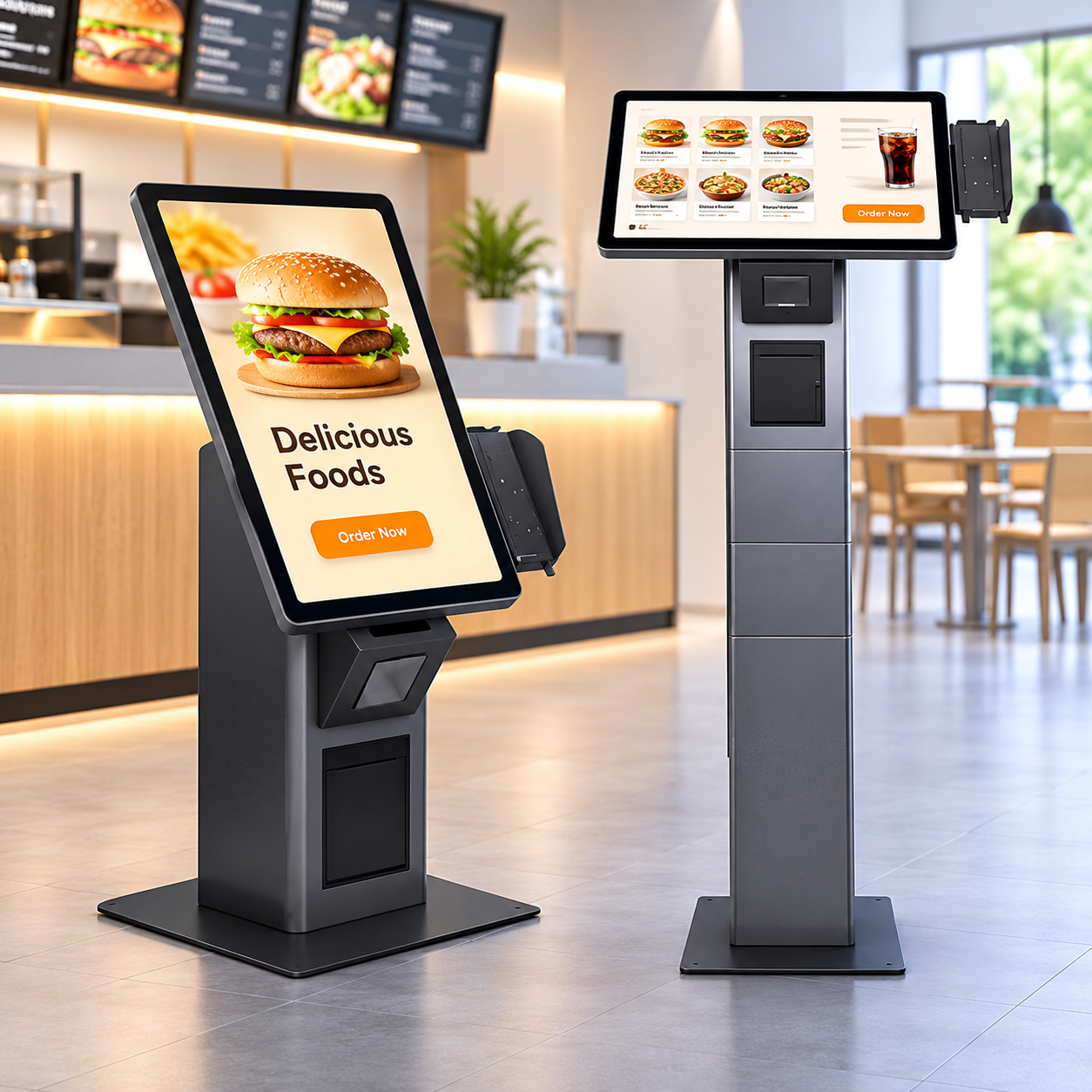
Customized Kiosk vs. Standard Self-Service Terminal
Your choice depends on whether you need a ready-made configuration or hardware tailored to a particular workflow.
| Comparison Factor | Standard Terminal | Customized Self Ordering Kiosk |
|---|---|---|
| Hardware | Fixed configuration | Selected components and peripherals |
| Appearance | Standard finish | Potential logo and color customization |
| Installation | Predetermined structure | Desktop or compatible integrated design |
| Software integration | Depends on available interfaces | Defined around verified project requirements |
| Best suited for | General-purpose deployments | Specific ordering and service workflows |
A customized terminal can offer greater flexibility, but it requires more upfront coordination. For example, a restaurant using printed receipts and barcode-based order pickup should confirm both peripheral support and software integration before selecting its hardware.
Why Work with Shenzhen Xingtongda Information Technology Co., Ltd.?
Shenzhen Xingtongda Information Technology Co., Ltd. specializes in self-service terminals and intelligent equipment, offering OEM/ODM services for different business applications.
Its company profile describes an integrated team covering R&D, production, technical support, quality inspection, sales, and after-sales service. The manufacturer also reports having a sheet-metal production workshop equipped with laser-cutting machines, CNC bending machines, riveting machines, and welding equipment.
These capabilities are relevant when your project requires customized metal housings or adjustments to the terminal’s physical structure. However, you should verify production capacity, quality-control documentation, and applicable certifications directly with the supplier.
Before placing an order, request the following:
- A confirmed technical specification sheet.
- A list of available customization options and minimum order quantities.
- Evidence of relevant quality certifications, if required by your project.
- Software compatibility and peripheral integration details.
- Sample testing, warranty, and after-sales support terms.
FAQ
1. Can I order an OEM/ODM self ordering kiosk?
Yes. Xingtongda offers OEM/ODM services. Confirm the available enclosure designs, logo options, peripheral combinations, order quantities, and customization costs with its sales team.
2. Can the kiosk support a receipt printer and barcode scanner?
Both are listed as optional peripherals. Before purchasing, verify the supported hardware models, connection interfaces, drivers, and compatibility with your ordering software.
3. Is this touchscreen ordering kiosk suitable for outdoor use?
The product description mentions outdoor and semi-outdoor applications, but it does not provide a verified IP rating or weather-resistance certification. Request the enclosure protection rating and approved operating conditions before installing the terminal in an exposed location.
Faaotiraa
A customized self ordering kiosk machine can help you streamline customer ordering and integrate the peripherals required for your business. By confirming screen size, software compatibility, payment interfaces, and environmental protection requirements, you can make a more informed purchasing decision.
Shenzhen Xingtongda Information Technology Co., Ltd. provides self-service terminal manufacturing and OEM/ODM customization options for restaurant, retail, vending, and other service applications. Evaluate your operating requirements first, then request a configuration that matches your intended deployment.
CTA
Planning a self-service ordering project? Contact Shenzhen Xingtongda Information Technology Co., Ltd. to request a detailed specification sheet, discuss OEM/ODM options, and confirm hardware compatibility for your application.